


Osteopathic Manipulation Therapy
Osteopathic Manipulation Therapy (OMT) is a hands-on medical treatment used to diagnose, treat, and prevent a variety of musculoskeletal and functional conditions. Through gentle manual techniques, practitioners help improve the body’s structural alignment, enhance circulation, and support the body’s natural healing mechanisms. As a result, many individuals experience improved mobility, reduced discomfort, and better overall physical balance.


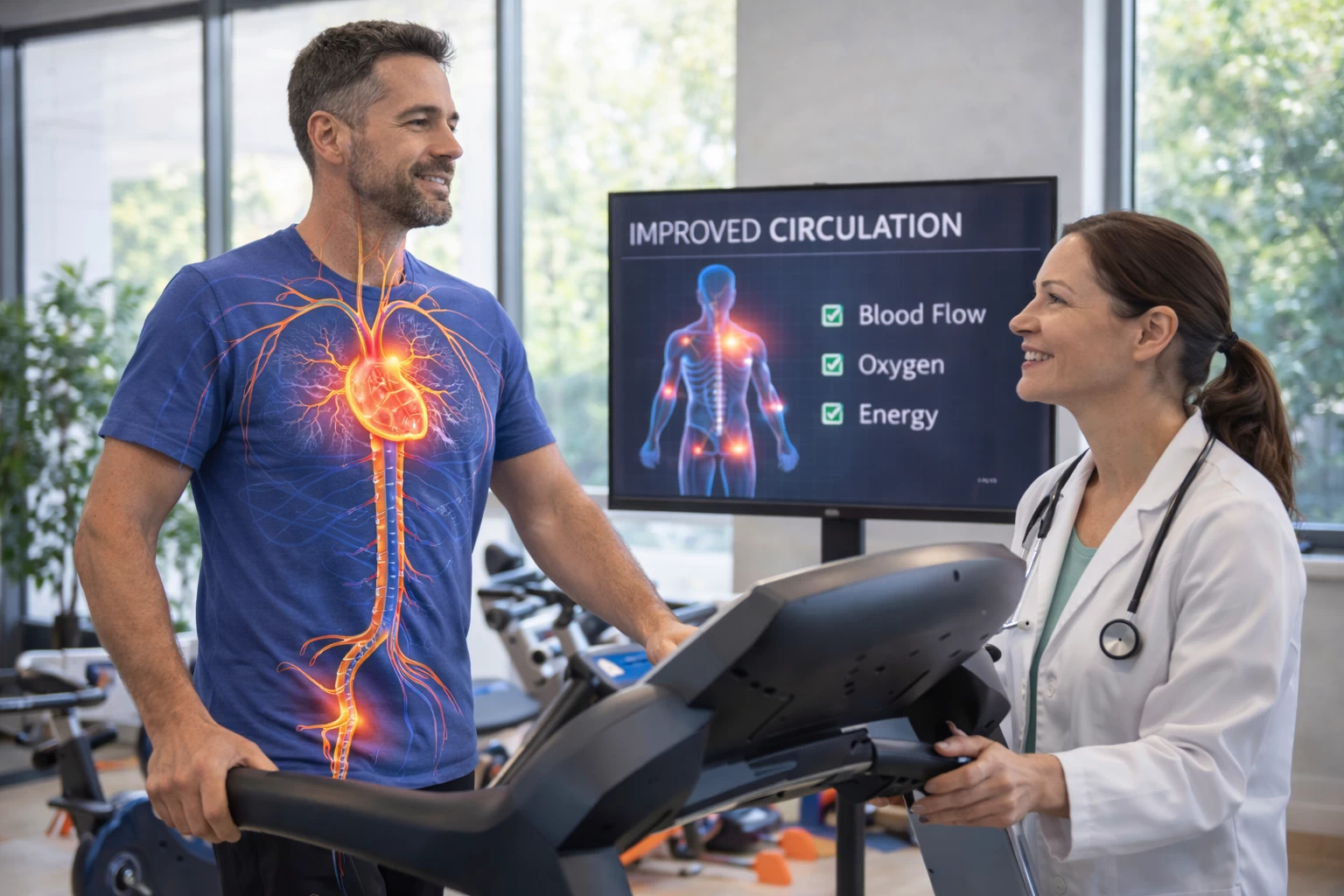
In integrative and functional medicine, Osteopathic Manipulation Therapy is often used to complement other medical treatments. Consequently, patients frequently seek OMT as a non-invasive approach to managing pain, improving posture, and restoring optimal body function.
Understanding the Musculoskeletal System
The musculoskeletal system includes bones, muscles, joints, ligaments, and connective tissues that support movement and physical stability. When these structures become misaligned or restricted, they can affect the body’s ability to function efficiently.
For example, poor posture, repetitive stress, injuries, and chronic tension may create imbalances within the body’s structure. These imbalances can influence nerve function, circulation, and mobility.
Therefore, treatments that restore structural balance may help improve both comfort and physical performance.
What Is Osteopathic Manipulation Therapy?
Osteopathic Manipulation Therapy is a manual treatment performed by trained healthcare professionals who use their hands to diagnose and treat structural imbalances in the body. During the session, the practitioner gently moves muscles and joints using specific techniques designed to restore alignment and improve function.
These techniques may include stretching, pressure, resistance, and gentle joint mobilization. By improving the relationship between structure and function, OMT aims to support the body’s natural ability to heal.
Because the therapy is hands-on and personalized, each treatment session is tailored to the patient’s specific condition and needs.
How Osteopathic Manipulation Therapy Works
OMT works by addressing restrictions in muscles, joints, and connective tissues. When these structures move freely and maintain proper alignment, the body’s systems can function more efficiently.
During treatment, manual techniques help release tension and improve mobility. These techniques may support several physiological processes, including:
-
Improved joint mobility and flexibility
-
Enhanced blood circulation
-
Reduced muscle tension
-
Improved nerve communication
-
Better overall structural alignment
Through these mechanisms, Osteopathic Manipulation Therapy may help reduce discomfort and promote functional recovery.
Conditions Commonly Treated
Osteopathic Manipulation Therapy is commonly used to support a wide range of musculoskeletal and functional conditions. Because the therapy focuses on restoring body balance, it may benefit individuals experiencing both acute and chronic issues.
Common conditions supported include:
-
Back and neck discomfort
-
Joint stiffness and limited mobility
-
Muscle tension and spasms
-
Headaches and tension-related pain
-
Postural imbalances
-
Sports-related injuries
Additionally, OMT may support recovery following injuries or physical strain.
Potential Benefits of Osteopathic Manipulation Therapy
When performed by trained practitioners, Osteopathic Manipulation Therapy may provide several health benefits. Although individual results vary, many patients report improvements in mobility and comfort after treatment.
Possible benefits may include:
-
Reduced musculoskeletal discomfort
-
Improved posture and alignment
-
Increased flexibility and mobility
-
Enhanced circulation and lymphatic flow
-
Improved body mechanics and movement patterns
-
Non-invasive pain management support
Furthermore, OMT may complement physical therapy, rehabilitation programs, and regenerative medicine treatments.
Who May Benefit From OMT?
Individuals experiencing musculoskeletal discomfort or mobility limitations may consider Osteopathic Manipulation Therapy. For example, people with chronic back pain, sports injuries, or postural strain often seek manual therapy to improve movement and comfort.
Additionally, individuals interested in holistic and integrative medical approaches frequently explore OMT as part of their wellness routine.
Before beginning treatment, however, a qualified practitioner performs a thorough evaluation to determine whether OMT is appropriate.
What to Expect During Treatment
A typical Osteopathic Manipulation Therapy session usually lasts between 30 and 60 minutes. During the session, the patient lies comfortably on a treatment table while the practitioner evaluates movement and structural alignment.
Next, the practitioner applies gentle manual techniques to targeted areas of the body. These techniques may involve stretching, pressure, or joint mobilization to restore mobility and balance.
Because OMT is non-invasive, most individuals can return to normal activities shortly after the session.
Integrating OMT Into a Treatment Plan
Although Osteopathic Manipulation Therapy can provide significant relief and functional improvement, optimal results often occur when the therapy is part of a broader treatment plan. For example, combining OMT with physical therapy, exercise programs, and lifestyle modifications may enhance long-term outcomes.
Additionally, healthcare providers may recommend multiple sessions depending on the patient’s condition and treatment goals.
Consequently, this integrative approach helps support long-term musculoskeletal health and overall wellness.
Frequently Asked Questions
How long does an OMT session take?
Most sessions last between 30 and 60 minutes.
Is Osteopathic Manipulation Therapy painful?
The techniques used are typically gentle and designed to improve comfort and mobility.
How many sessions are recommended?
The number of treatments varies depending on the individual’s condition and response to therapy.
-
Phone: (561) 654-9747
-
Opening Hours: Monday – Friday: 9AM – 6PM