
PRP for Scar Reduction
PRP for Scar Reduction is a regenerative aesthetic treatment designed to improve the appearance of scars while supporting natural skin repair. PRP stands for platelet-rich plasma, a concentrated portion of the patient’s own blood that contains growth factors and healing proteins. Because these regenerative components help stimulate cellular repair, PRP therapy may support collagen production and improve skin texture in areas affected by scarring.
In recent years, regenerative skincare treatments have become increasingly popular in aesthetic medicine. As a result, many individuals explore PRP for Scar Reduction as a minimally invasive option to improve the appearance of acne scars, surgical scars, and other skin irregularities. Moreover, since the treatment uses the body’s own biological materials, it is often considered a natural approach to skin rejuvenation.
Understanding Skin Scarring
Scars develop when the skin repairs itself after injury, inflammation, or surgery. Although the body naturally heals damaged tissue, the resulting scar tissue may differ in texture, color, and elasticity compared to surrounding skin.
Several factors can influence the formation and appearance of scars. For example, common causes of visible scarring include:
-
Acne and inflammatory skin conditions
-
Surgical procedures
-
Traumatic skin injuries
-
Burns or deep wounds
-
Certain dermatological treatments
Because scar tissue often lacks normal collagen structure, treatments that support collagen remodeling may help improve overall skin appearance.
What Is PRP for Scar Reduction?
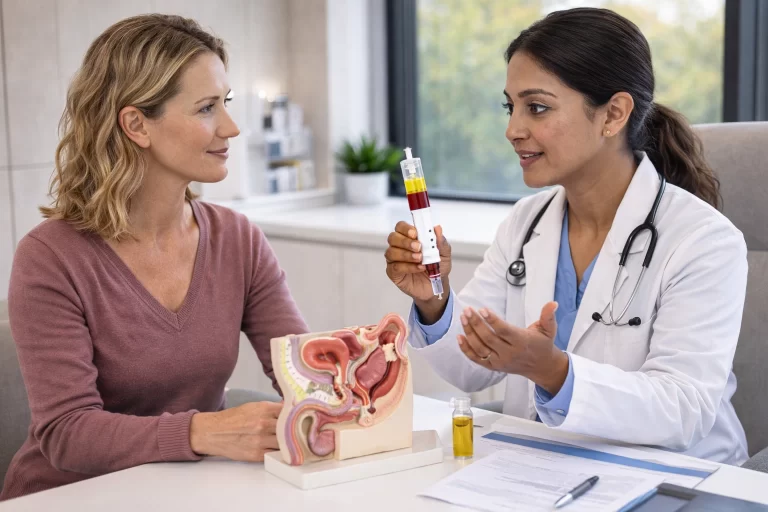
PRP for Scar Reduction involves the use of platelet-rich plasma derived from the patient’s own blood to stimulate skin regeneration. To begin the treatment process, a healthcare provider draws a small sample of blood from the patient.
Afterward, the sample is placed in a centrifuge that separates platelet-rich plasma from other blood components. This concentrated plasma contains growth factors that support cellular repair and tissue regeneration.
Once the PRP is prepared, the provider applies or injects the plasma into areas affected by scarring. Through this targeted approach, the treatment may help stimulate collagen production and encourage healthier skin regeneration.
How PRP Therapy Improves Scar Appearance
Healthy skin relies on balanced collagen production and proper cellular turnover. However, scar tissue forms when the skin’s healing process produces irregular collagen structures.
PRP therapy may help improve scar appearance through several biological mechanisms. For instance, the treatment may:
-
Stimulate collagen production in the skin
-
Encourage tissue regeneration and repair
-
Improve skin texture and elasticity
-
Promote healthier cellular turnover
-
Support improved circulation in treated areas
Because of these regenerative effects, PRP treatments may help soften scars and promote smoother skin over time.
Types of Scars That May Benefit From PRP Therapy
PRP for Scar Reduction is commonly used to address several types of skin scarring. Since the treatment focuses on regenerative healing, it may benefit individuals seeking gradual improvements in skin texture and tone.
Examples of scars often treated include:
-
Acne scars and post-inflammatory marks
-
Surgical scars
-
Injury-related scars
-
Stretch marks in certain cases
-
Uneven skin texture caused by scarring
Additionally, many aesthetic providers combine PRP therapy with treatments such as microneedling to enhance collagen stimulation and improve results.
Potential Benefits of PRP Scar Treatment
When qualified medical professionals perform PRP treatments, patients may experience several potential benefits. Although individual results vary, many individuals notice gradual improvements in skin texture and scar visibility.
Possible benefits may include:
-
Reduction in the appearance of scars
-
Improved skin texture and smoothness
-
Increased collagen production
-
Enhanced skin regeneration
-
Minimally invasive treatment with minimal downtime
-
Use of the patient’s own biological material
Furthermore, regenerative therapies often complement broader skincare treatments designed to improve skin health.
Who May Consider PRP for Scar Reduction?
Individuals concerned about visible scarring may consider PRP therapy as part of their skin rejuvenation plan. In particular, people with acne scars or mild to moderate surgical scars often explore regenerative treatments that support collagen remodeling.
Additionally, individuals who prefer natural skin treatments frequently choose PRP therapy because it uses the body’s own regenerative components.
Before beginning treatment, however, a professional consultation is recommended. During this evaluation, healthcare providers assess skin condition, scar type, and treatment goals to determine whether PRP therapy is appropriate.
What to Expect During Treatment
A typical PRP scar reduction session usually lasts 45 to 60 minutes. Initially, the provider collects a small blood sample from the patient.
Next, the sample is processed using a centrifuge to isolate platelet-rich plasma. Following preparation, the provider applies or injects PRP into the targeted scar areas. In some cases, providers may combine PRP with microneedling to enhance absorption and collagen stimulation.
Because PRP therapy stimulates natural regenerative processes, improvements typically appear gradually over several weeks or months.
Integrating PRP Therapy Into a Skincare Plan
Although PRP for Scar Reduction may improve skin texture, combining the treatment with a comprehensive skincare routine often produces the best results. For example, proper sun protection, hydration, and professional skincare products help maintain healthy skin.
Furthermore, healthcare providers frequently recommend a series of treatment sessions spaced several weeks apart. Consequently, patients may experience progressive improvements in scar appearance and overall skin quality.
Frequently Asked Questions
How long does PRP scar treatment take?
Most PRP scar reduction sessions last between 45 and 60 minutes.
When will improvements become visible?
Many patients notice improvements within several weeks as collagen remodeling occurs.
Is PRP therapy safe for scar treatment?
Qualified professionals perform PRP treatments using sterile techniques and controlled medical protocols.