

PRP Hair Restoration
PRP Hair Restoration is a regenerative treatment designed to support natural hair growth and improve scalp health. PRP stands for platelet-rich plasma, a concentrated component of the patient’s own blood that contains growth factors and healing proteins. Because these biological elements play an important role in cellular repair, they may help stimulate hair follicles, improve scalp circulation, and support the natural hair growth cycle.
In recent years, regenerative hair therapies have gained significant attention in aesthetic and wellness medicine. As a result, many individuals now explore PRP Hair Restoration as a non-surgical solution for hair thinning and hair loss. Moreover, because the treatment uses the body’s own biological material, it is often considered a natural and minimally invasive option for improving hair density and scalp vitality.
Understanding Hair Loss
Hair loss is a common condition that affects both men and women at different stages of life. Although genetic factors frequently contribute to hair thinning, several additional influences may also affect hair growth and follicle health.
For instance, common causes of hair loss include:
-
Genetic hair thinning (androgenetic alopecia)
-
Hormonal fluctuations
-
Stress and lifestyle factors
-
Nutritional deficiencies
-
Age-related changes affecting hair follicles
Because healthy hair growth depends on strong hair follicles and adequate scalp circulation, therapies that support follicular activity and tissue regeneration may help encourage healthier hair growth.
What Is PRP Hair Restoration?
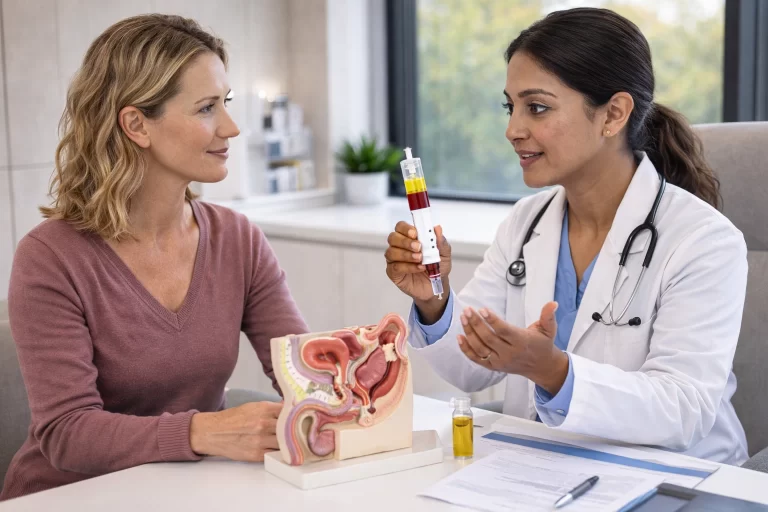
PRP Hair Restoration involves using platelet-rich plasma obtained from the patient’s own blood to stimulate hair follicles and support scalp health. To begin the process, a healthcare provider collects a small sample of blood.
Afterward, the blood sample is placed in a centrifuge that separates the platelet-rich plasma from other blood components. This concentrated plasma contains growth factors that are involved in tissue repair and cellular regeneration.
Once prepared, the PRP is carefully injected into specific areas of the scalp where hair thinning is present. Through this targeted approach, the treatment may help activate dormant follicles and encourage the natural hair growth cycle.
How PRP Therapy Supports Hair Growth
Healthy hair follicles require sufficient blood supply, nutrients, and cellular signaling to remain active. However, when follicle function begins to decline, hair may become thinner and growth may slow.
PRP therapy may support hair restoration through several biological mechanisms. For example, the treatment may help:
-
Stimulate hair follicle activity
-
Improve blood circulation within the scalp
-
Encourage cellular regeneration near hair follicles
-
Deliver growth factors that support hair development
-
Strengthen existing hair strands
Because of these regenerative effects, PRP treatments may help enhance overall hair density while supporting long-term scalp health.
Potential Benefits of PRP Hair Restoration
When trained medical professionals perform PRP hair treatments, patients may experience several potential benefits. While individual outcomes vary, many people notice gradual improvements in hair thickness and hair quality over time.
Possible benefits may include:
-
Increased hair density and volume
-
Strengthening of existing hair follicles
-
Improved scalp circulation
-
Support for the natural hair growth cycle
-
A minimally invasive and non-surgical procedure
-
Use of the patient’s own regenerative biological components
In addition, PRP therapy may complement other hair restoration strategies designed to improve scalp health and hair vitality.
Who May Consider PRP Hair Therapy?
Individuals experiencing early hair thinning or mild to moderate hair loss often explore PRP Hair Restoration as part of their treatment plan. In particular, people with genetic hair thinning may benefit from regenerative therapies that help support follicle health.
Both men and women may be suitable candidates for PRP-based hair treatments, especially when hair follicles remain present but weakened.
Before beginning treatment, however, a professional consultation is necessary. During this evaluation, healthcare providers assess scalp condition, hair loss patterns, and medical history in order to determine whether PRP therapy is an appropriate option.
What to Expect During Treatment
A typical PRP Hair Restoration session usually takes 45 to 60 minutes. Initially, the provider collects a small blood sample from the patient.
Next, the sample is processed in a centrifuge to isolate platelet-rich plasma. Following preparation, the provider administers PRP through small injections into targeted areas of the scalp.
Because the therapy stimulates natural regenerative processes, noticeable improvements typically develop gradually. In many cases, patients begin observing changes in hair density and strength over several months.
Integrating PRP Hair Therapy Into a Hair Care Plan
Although PRP Hair Restoration may improve hair growth, combining the treatment with a comprehensive hair health strategy often produces the best results. For instance, balanced nutrition, proper scalp care, and stress management can support healthy hair follicles.
Furthermore, healthcare providers frequently recommend multiple treatment sessions spaced several weeks apart. Consequently, patients may experience progressive improvements in hair density, scalp circulation, and overall hair vitality.
Frequently Asked Questions
How long does PRP hair treatment take?
Most PRP hair restoration sessions last between 45 and 60 minutes.
When can results become noticeable?
In many cases, patients begin seeing improvements within several months as hair follicles respond to regenerative stimulation.
Is PRP hair restoration safe?
Qualified medical professionals perform PRP treatments using sterile techniques and carefully controlled medical protocols.